Home / Leisure Craft & Boating Finance
Leisure Craft & Boating
Finance for leisure assets — a smaller lender panel with its own rules, and one where lender choice matters more than usual.
Overview
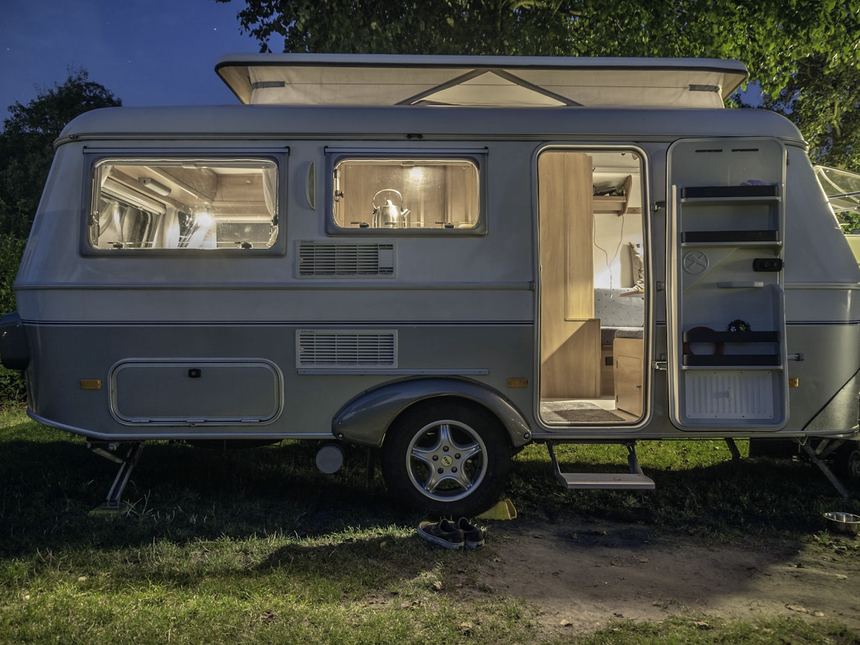
Leisure lending has a narrower panel than any other category we work in, and the rules are stricter.
Lenders treat boats, caravans and motorhomes as discretionary purchases with softer resale markets, so age limits are tighter, terms are shorter, and documentation requirements are heavier than for a comparable vehicle. Marine assets in particular often require a survey or valuation before anything is approved.
None of that makes them hard to finance. It makes them hard to finance badly — the wrong lender wastes weeks before declining.
Scope
Leisure assets change hands privately more often than vehicles do, and lenders know it. Expect a valuation, a PPSR check, and proof the seller owns the asset outright. Start that process before you agree a settlement date with the seller, not after.
Structures
The standard route for private use. Regulated consumer lending, secured against the asset, with fixed repayments over the term.
Available where the asset is genuinely used in a business — a charter operation, for instance. Business use has to be real and demonstrable.
Where the asset falls outside a lender's marine or caravan criteria, a secured personal loan can sometimes still get the deal done.
Existing leisure debt can often be restructured, particularly where the original loan was arranged quickly at the point of sale.
Assessment

Timing
Leisure lending has the narrowest panel we work with, and private sales are common. Valuations, marine surveys and PPSR checks all take time that a keen seller may not want to give you.
If you have found the boat or the van, call before you agree a settlement date rather than after.
Common questions
It varies more than in any other category. Some lenders cap at ten years, others will consider well-maintained craft considerably older, particularly where a survey supports the value. Tell us the year and model early — it determines the shortlist immediately.
For larger or older craft, usually yes. Trailer boats under a certain value often escape it. A survey costs money up front, but it also protects you from buying something with problems the seller did not mention.
They are normally two separate facilities, sometimes with two different lenders, because the assets are assessed differently. We can arrange both and time them to settle together.
Next step
Tell us what you are looking to finance and we will come back to you with the options worth considering.